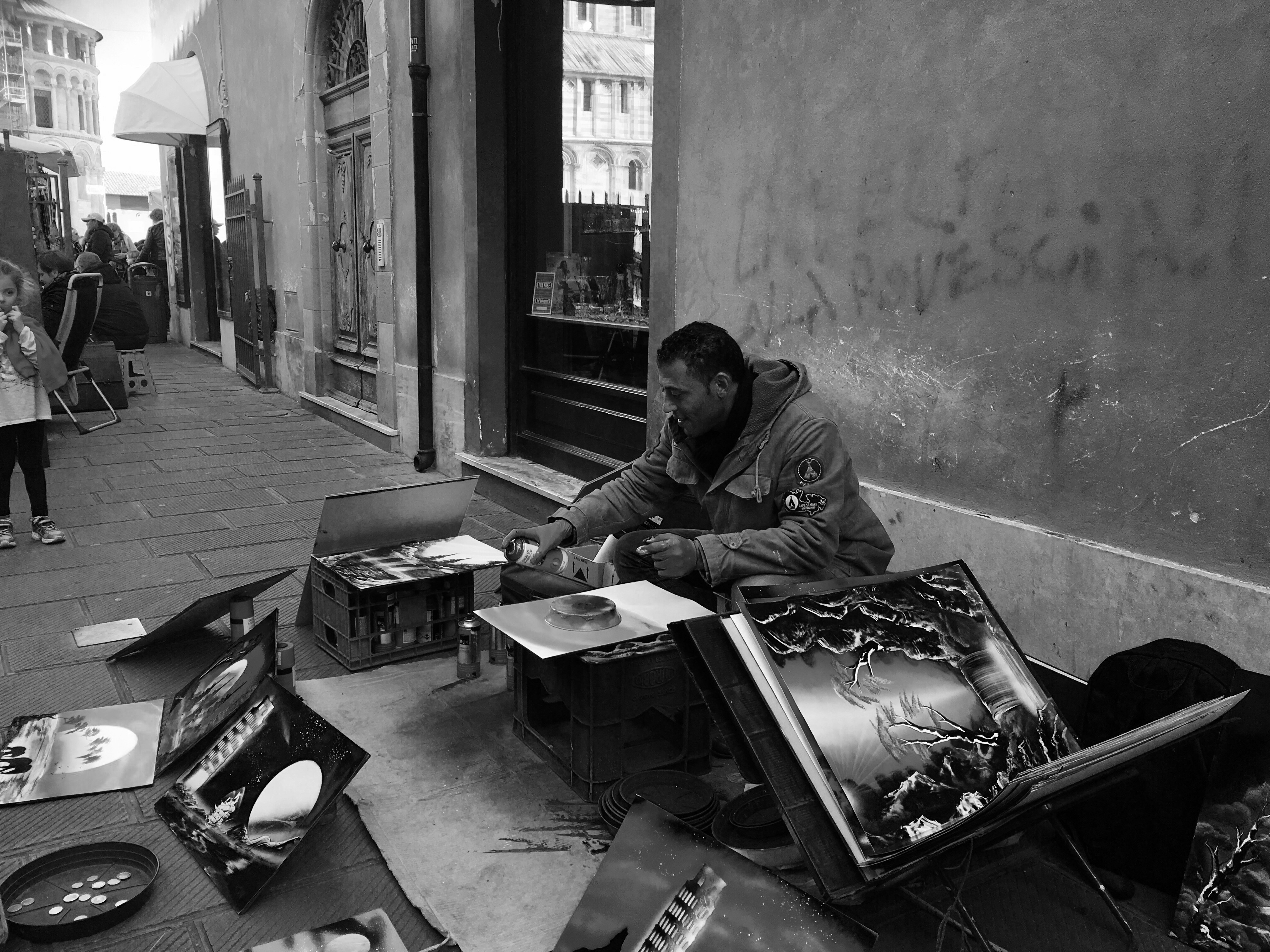
Edward stands as a captivating figure in the landscape of contemporary artistry, embodying a blend of traditional influences and modern interpretations. In his mid-thirties, Edward emits a sense of timelessness, rooted in the elegance of a bygone era while engaging with the complexities of present-day culture. His artistic style is deeply influenced by the Victorian period, characterized by intricate details, rich textures, and a love for the macabre. This affinity for darker themes resonates not only in his artwork but also in his personal presentation, highlighted by his signature black coat.
The black coat that Edward commonly dons is more than mere attire; it is a representation of his artistic identity and philosophy. This garment drapes around him like a shadow, enveloping his presence in an air of mystery that mirrors the intricate narratives woven into his art. It serves as a canvas for his emotional expressions, blurring the lines between the artist and the artwork. Through his clothing choices, Edward encapsulates the essence of the dark Victorian aesthetics he so passionately explores.
Beyond his striking appearance, Edward’s character as an artist is multifaceted. Raised in an environment steeped in artistic tradition, he has cultivated a unique perspective that emphasizes individual expression while drawing upon historical precedents. His works invite viewers into his enigmatic realm, challenging them to confront their own interpretations of beauty and darkness. Edward’s artistic journey reflects a deep introspection and a continuous dialogue with the shadows that haunt his surroundings and his psyche.
In embracing his identity as a bearer of the Victorian spirit, Edward not only forges a connection with art history but also redefines it, making it relevant to contemporary audiences. His artistry echoes the whispers of the past while simultaneously illuminating the pathways of the future, ensuring that the shadows he traverses leave an indelible mark on both his craft and his viewers.
The Dark Drawing Room: An Atmosphere of Mystery
The dark drawing room serves as a profound backdrop in Edward’s artistic journey, enveloped in an air of mystery that both inspires and haunts his creative processes. Decorated in the quintessential Victorian style, the room features deep mahogany furnishings, rich tapestries, and dimly lit corners that create an intriguing interplay of light and shadow. The opulent yet somber aesthetic of the space is not merely for visual effect; it contributes significantly to the emotive quality of Edward’s works.
The Victorian decor showcases intricate details, from ornate picture frames gracing the walls to the heavily embroidered curtains that frame each window. Every element in this drawing room contributes to a cohesive narrative that resonates deeply within Edward’s art. The hushed atmosphere, combined with the dark hues of the decor, fosters a reflective mood, encouraging both contemplation and creativity. This setting serves as a sanctuary where Edward retreats to explore complex themes such as melancholy, isolation, and the juxtaposition of beauty and despair.
Moreover, the ambiance of the drawing room mirrors the internal struggles reflected in Edward’s paintings. The shadows cast by the low-hanging lamps seem to dance along the canvas, encouraging a dialogue between the viewer and the emotions embedded in each brushstroke. The layered meanings in his artwork often draw on the room’s dark allure, inviting observers to peel back the layers of their interpretations just as Edward unravels his own psyche through his creations. This tranquil yet haunting atmosphere undeniably contributes to the depth of his artistic expression, reinforcing the interconnectedness between environment and inspiration.
The Haunting Figures: Symbolism in Edward’s Paintings
Edward’s paintings often feature haunting figures that evoke a profound sense of emotion and contemplation. These spectral representations are not merely decorative; they hold deep significance, serving as conduits for Edward’s complex thoughts and feelings. The incorporation of these figures creates a haunting effect that invites viewers to explore the darker facets of human experience.
The symbolism behind these figures can be attributed to numerous psychological and philosophical themes. For instance, they frequently reflect themes of isolation, loss, and despair. In many of his works, these figures seem to linger on the periphery, embodying the emotional weight of the human condition. This strategic placement speaks volumes about Edward’s intention to highlight the struggle between visibility and invisibility in society, particularly as it pertains to individuals grappling with their own inner demons.
Moreover, the haunting figures serve as metaphors for the universal aspects of humanity – fear, mortality, and the search for meaning amidst chaos. The ethereal nature of these figures often blurs the lines between reality and imagination, compelling viewers to confront their own fears as they delve into the depths of Edward’s artistic realm. This element of surrealism fosters a reflective dialogue about the role of darkness in the human psyche, prompting an exploration of how these shadowy figures resonate with personal and collective experiences.
Ultimately, the symbolism found within these haunting figures transcends mere interpretation; it invites a deeper engagement with Edward’s artistry. Each figure encapsulates the duality of existence—the interplay of light and shadow, joy and sorrow—and embodies the complexity of human emotions. It is through this intricate layering of meaning that viewers can truly appreciate the richness of his work.
Edward’s Creative Process: The Intersection of Soul and Art
Edward’s artistic endeavors are marked by a profound connection between his inner experiences and the visual narratives he constructs. Central to his creative process is the influence of a dark and ethereal atmosphere, which serves as a backdrop for his work. This ambiance not only informs his subject matter but also infuses his pieces with a haunting intensity that resonates with the viewer. Edward draws inspiration from his surroundings, often immersing himself in settings that evoke a sense of mystery and introspection.
Rituals play an essential role in Edward’s creative process. Before embarking on his artistic sessions, he engages in meditative practices aimed at calming his mind and clearing cluttered thoughts. This meditation allows him to harness deeper emotional currents and transmit them through his art. He finds that moments of solitude in nature, surrounded by the whispering trees and the stillness of dusk, spark his imagination. These occurrences serve as critical windows to his soul, encouraging an honest exploration of his feelings and experiences.
Furthermore, Edward maintains a journal where he documents his reflections, dreams, and observations. This practice not only provides him with a reservoir of ideas but also sharpens his awareness of the emotional landscapes that shape his artistic visions. The interplay of his thoughts and the external world cultivates an organic flow of creativity, where each brushstroke embodies his internal dialogues. Ultimately, it is this intricate relationship between Edward’s soul and his art that produces works that not only captivate but also evoke emotional responses in those who encounter them.